Free written quotes across Ottawa and surrounding communities
Ottawa's east end Free written quotes Built to Ontario Building Code

Deck Building and Deck Replacement in Orleans

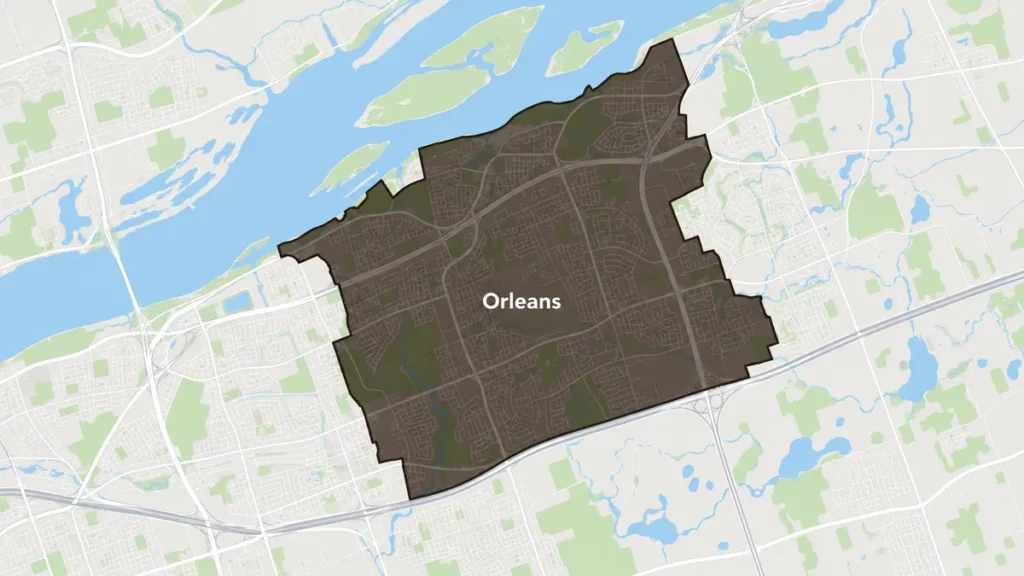
Deck Builders Experts builds, replaces and repairs decks across Orleans, the historically francophone community at Ottawa’s east end.

Orleans housing runs largely from the 1970s through the 2000s, which means a single street can hold decks that are five years old and decks that are forty. The forty-year-old ones are the reason we get most of our calls here. A deck built with the house in 1978 has done its job. The question is whether what is left is worth building on.

Get an Orleans Deck Quote

Tell us roughly how old the deck is and what it is doing.

What can we help with?

So the right crew reviews your project.

No obligation. We reply within one business day.

Housing stock

Decks That Have Reached the End of Their Run

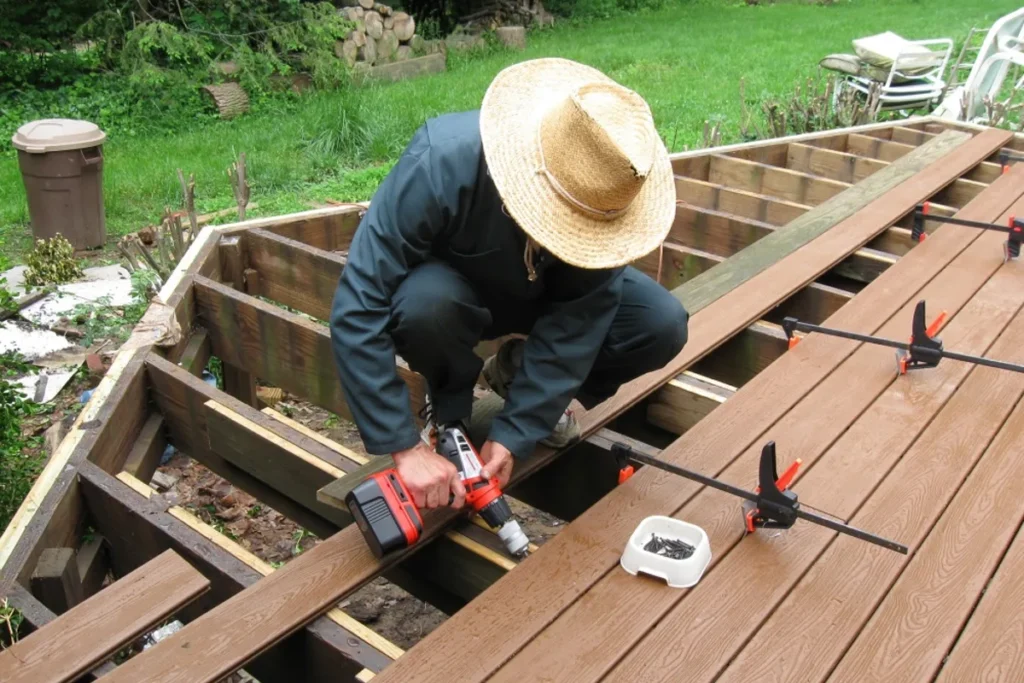
Orleans filled in over roughly three decades, and the deck work follows the same timeline. The 1970s and 1980s houses came with decks that are now well past the point where maintenance keeps them going. Boards can be replaced, stain can be reapplied, but the parts that age worst are the parts nobody looks at. Footings that stopped short of frost depth have had forty winters to lift, and a deck that has racked out of square does not come back. Posts set straight into concrete have been sitting in trapped water at grade for the same forty years. Ledgers from that era frequently went on without proper flashing, which quietly wets the rim joist behind them. The 1990s and 2000s houses are a different conversation, and usually a happier one: the frame is often still good and the job becomes new boards, a code-compliant guard and a stair rebuild.
Get a free quote
Rebuilding

The Old Footprint Is Not Automatically the New One

When a deck comes out, the easiest thing to do is put the same shape back. It is rarely the right thing. A deck laid out in 1980 was designed around how that household used the yard, and that has usually changed. A single wide platform may be better split into a dining zone off the kitchen door and a lower lounging level closer to the grass. Stairs that currently drop into the middle of the lawn might be better moved to a corner. Where the old deck is coming out anyway, changing the footprint costs less than you would think, because the footings are being dug fresh either way. What it does change is the code picture. A larger or taller deck can cross the 600 mm line that makes a City of Ottawa building permit mandatory, and setbacks have to be rechecked against the new outline rather than assumed from the old one.

Book a site visit

How We Judge an Old Orleans Deck

What the site visit is actually looking for on a deck that has been there a few decades.

Footing depth and condition

The single biggest factor. If the original footings stopped short of frost depth, repairs will not hold, because frost will keep moving the structure every spring.

How the posts meet the concrete

Posts embedded directly in concrete sit in water at grade and rot from the bottom up. Posts on galvanized saddles have a much better chance of being reusable.

The ledger and the wall behind it

We look for flashing above the ledger and for any staining or softness in the rim joist. A wet rim joist is a house problem, not just a deck problem.

Guard height and baluster spacing

Older guards are frequently below 900 mm with openings wider than 100 mm. A rebuilt guard is built to current rules regardless of what was there before.

Squareness and racking

We check the frame for movement. A deck that has gone out of square has usually been told to by its footings, and that tells us more than any individual rotten board does.

What Orleans Homeowners Call Us For

Three jobs make up the bulk of east-end work.

Full tear-out and rebuild

Removing the original deck, disposing of it, and building new from footings up. The cleanest answer when the structure below the boards has stopped being trustworthy.

Resurface over a sound frame

On later houses the frame is often still square and at depth. New boards, new fascia and a current-code guard cost far less than a rebuild.

Bringing a guard up to code

Raising guard height, closing baluster gaps to the 100 mm limit and adding a proper graspable handrail where the stair run needs one.

Our Process

Replacing an Orleans Deck, Step by Step

1

Inspection of what is there

Footings, posts, ledger, frame and guard, and an honest verdict on repair against replace.

2

Written scope and price

Including tear-out and disposal of the old deck, spelled out rather than assumed.

3

Demolition and new layout

Old structure out, new footprint set out on the ground, permit filed where the height requires it.

4

Build and final walkthrough

New footings, frame, boards, guards and stairs, then a walk of the finished deck together.

Client Comments

Feedback shared with us directly by clients.

5/5

The team repaired and reinforced our existing deck, replaced the damaged boards, and improved the stairs. They worked efficiently and cleaned the entire area before leaving.

David C.

Ottawa

Direct Client

5/5

Our new deck has completely transformed our backyard. The workmanship is excellent, the railings look great, and the entire structure feels solid. Thank you for the professional service.

Robert M.

Ottawa

Direct Client

5/5

We hired Deck Builders Experts to replace our old wooden deck. They explained our material options clearly and helped us choose a design that suited our home and budget. We are very happy with the result.

Michelle T.

Ottawa

Direct Client

Orleans Deck Answers

How do I tell whether my 1980s Orleans deck is finished?

Start underneath rather than on top. Check whether the posts are sitting on galvanized saddles or buried in concrete, whether the frame is still square, and whether the ledger has flashing over it. Soft posts at grade, a deck that has racked, or staining on the wall behind the ledger all point the same way. Worn boards on a square, properly footed frame point the other way, and that is a much cheaper job.

Do you remove and dispose of the old deck?

Yes, and it is written into the quote as its own line rather than folded into a total. Old pressure-treated lumber is not a burn pile or a curbside item, so it leaves the site with us. Any workmanship warranty is set out in your written quote, job by job.

Can the new deck sit on the existing footings?

Sometimes. It depends on their depth, their diameter relative to the new loads, and how the posts meet them. If the originals are at frost depth, sound, and correctly positioned for the new beam layout, reusing them is a genuine saving. If any of those three are in doubt, new footings are the cheaper decision over the life of the deck, and we will say so plainly.

The railing on our old deck has wide gaps between the spindles. Is that still acceptable?

Not on a rebuilt guard. Current rules allow no opening in a required guard that a 100 mm sphere can pass through, on level sections and stair rakes alike, and guards are 1,070 mm, with 900 mm permitted only where the walking surface is not more than 1.8 m above the finished ground. It is also worth knowing that a wide flat guard cap is rarely graspable enough to count as a handrail, which is a detail that fails inspections on otherwise sound decks.

Can we change the size and shape while we are replacing it?

Yes, and it is the right moment to do it, because the footings are being dug new anyway. The things to watch are the setbacks against the new outline and the height of the finished walking surface, since crossing 600 mm above grade makes a building permit mandatory and brings drawings into the job.

Time to Replace Your Orleans Deck?

Free written quotes throughout Orleans and Ottawa's east end, repair or full rebuild.

Back to top